Printmaking Research

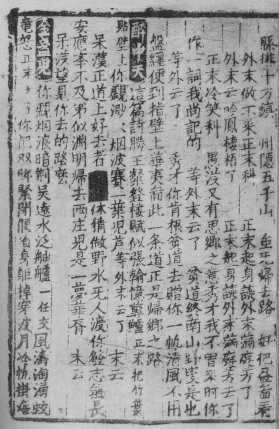
The Chinese invention of Woodblock
printing, at some point before the first dated book in 868 (the Diamond
Sutra), produced the world's first print
culture. "It was the Chinese who really discovered the means of
communication that was to dominate until our age." Woodblock printing
was better suited to Chinese characters than movable type, which the Chinese also invented, but which did not replace
woodblock printing. Western printing presses, although introduced in the 16th century, were not
widely used in China until the 19th century. China, along with Korea, was one
of the last countries to adopt them.


Wooden movable type printing – china
Although China developed at the first wooden movable type around
1040 AD, it was abandoned in favour of clay movable types. However, by the
1300s, a Chinese county office made 100,000 wooden movable types and printed 43
volume books.
Techniques
Traditionally, there have been two main printing techniques in
Asia: woodblock printing and moveable type printing. In the woodblock
techniques, ink is applied to letters carved upon a wooden board, which is then
pressed onto paper. With moveable type, the board is assembled using different
types, according to the page being printed.
Digital Printing
Digital printing is relatively modern, it was founded in the 1970's. The first digital printing presses came onto the market in the early 1990's.
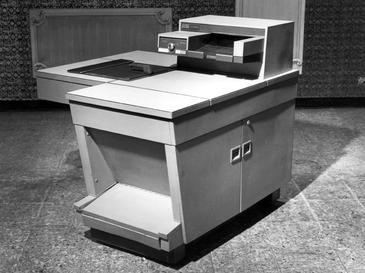 Digital printing assembles each image from a complex set of numbers and
mathematical formulas. These images are captured from a matrix of dots, called
pixels, and this process is called digitising. The digitised images are then
used to control the deposition of ink, toner or exposure to electromagnetic
energy to reproduce the data.
Digital printing assembles each image from a complex set of numbers and
mathematical formulas. These images are captured from a matrix of dots, called
pixels, and this process is called digitising. The digitised images are then
used to control the deposition of ink, toner or exposure to electromagnetic
energy to reproduce the data.Digital printing uses a colour management system, which keeps images looking the same despite where they are printed.

In 1993 the world's first digital colour printing press was launched called
Indigo. Overnight it triggered a transformation in the printing world -
customers were able to choose short-run, personalised, high quality print
straight from desktop.
Chinese Digital Printing
In modern times the Chinese printing culture uses machines instead of hand processes, these can be seen around the city on Billboards and advertising posters.


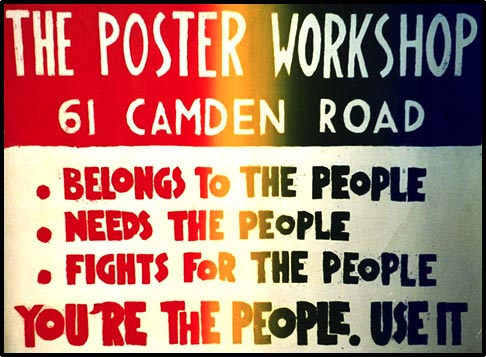
In other city's across the world digitally printed advertisements can also be seen, for example London's West End presents many theatre posters. London has its own history of printmaking. Between the late 1960's and 1970's numerous alternative print shops were set up across the UK, with the founding objective of producing, providing or facilitating the cheap and safe printing of radical materials. Here, printmaking and promotion was used to give people a political voice not a commercial one.
The London-based Poster Workshop (1968-1971), which recently
uploaded its archive to the web, provides a snapshot of some radical concerns
of the time e.g the political situations.


No comments:
Post a Comment